Source
Downspouts, broad sheet flow, a concentrated slope, or water trapped by an existing surface may require different responses.
Give water a better route
Water will take the easiest path through a yard. A good drainage plan works with that reality—collecting, directing, slowing, or dispersing runoff so patios, walls, planting areas, and daily use are better protected.
The Cedar Ridge approach
Start with where the water begins and ends
Read the whole site
Standing water is the visible symptom. The useful questions are where it comes from, how quickly it arrives, which low points it follows, and where it can be discharged responsibly. Roof runoff, neighboring grades, compacted soil, and hard surfaces can all contribute.
Drainage is especially important before a new patio or wall changes the yard. We review the larger water pattern so a beautiful new hardscape does not block an existing route or push the problem somewhere else.
Downspouts, broad sheet flow, a concentrated slope, or water trapped by an existing surface may require different responses.
Small grade differences determine whether water can move by gravity and where collection points will actually work.
Collected water needs an appropriate destination that does not simply transfer the problem to another part of the property.
Patio slopes, wall drainage, edging, steps, and planting beds must preserve or improve the intended water path.
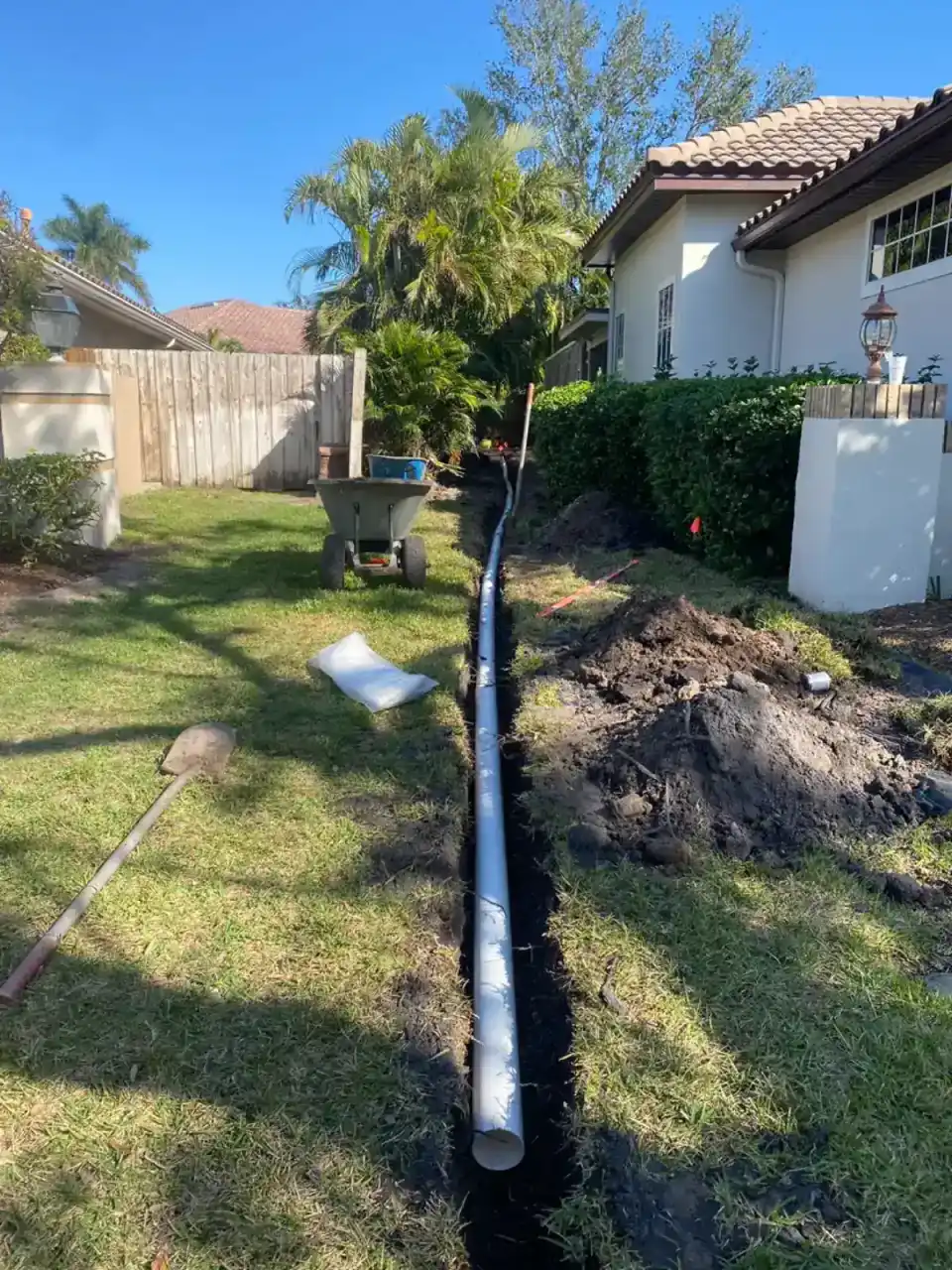
Follow the water before digging
We review low areas, roof discharge, soil conditions, existing grade, hardscape, and what happens during storms.
The plan may combine grading, collection, conveyance, outlet work, and hardscape adjustments based on the site.
Drainage work is coordinated with excavation and hardscape so critical routes are not buried or interrupted later.
We explain the completed system, visible inlets or outlets, and the maintenance access that should remain clear.
Diagnose before pricing
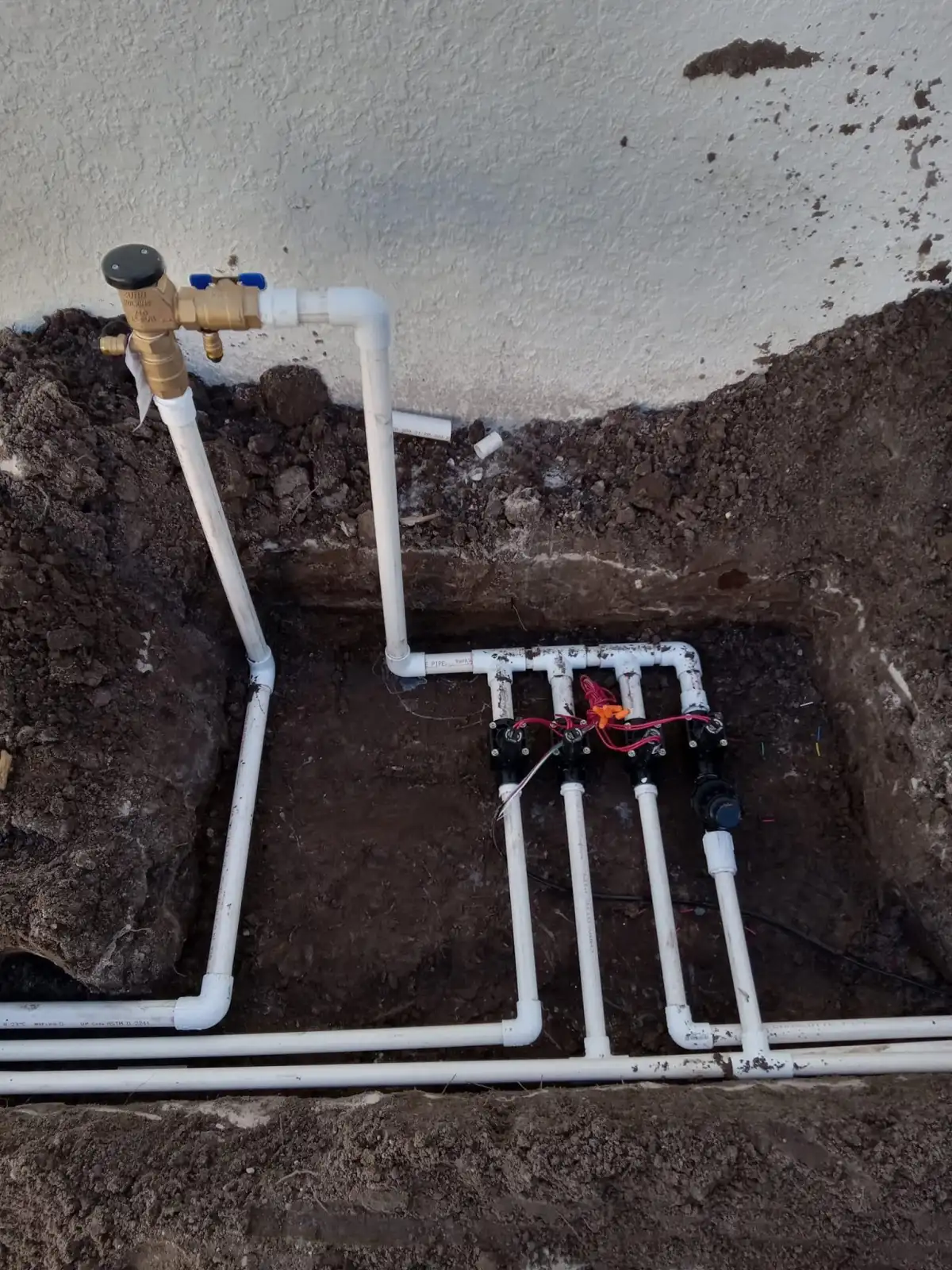
Drainage estimates depend on the water source, elevations, soil, access, trench length, collection points, outlet conditions, restoration, and coordination with patios or walls. Because symptoms can look similar while causes differ, an on-site review is more useful than a one-size price. Cedar Ridge provides free estimates and explains what the proposed work is intended to change.
Protect adjoining hardscape
Patio slope, wall drainage, downspouts, and landscape edges need a shared water plan so one improvement does not move trouble elsewhere.
Understand the wet area
Downspout runoff can often be incorporated into a broader plan, depending on elevations, outlet options, and the amount of water being handled.
It should not when elevations and runoff are planned correctly. A new impervious surface changes flow, so the patio and drainage plan should be developed together.
Common contributors include low grade, compacted or slow-draining soil, concentrated roof runoff, blocked routes, and neighboring elevation. The site needs to be read as a whole.
No. Some conditions may benefit from grading or a combined approach. The right answer depends on the source, fall, outlet, and how the space is used.
Start with the whole yard in view
Describe what happens during and after a storm, including downspouts and nearby hardscape. We’ll use the site visit to define a practical drainage scope.