Purpose
Safe movement, cooking tasks, wall texture, trees, and comfortable gathering each call for a different kind of light.
Light the way you use the yard
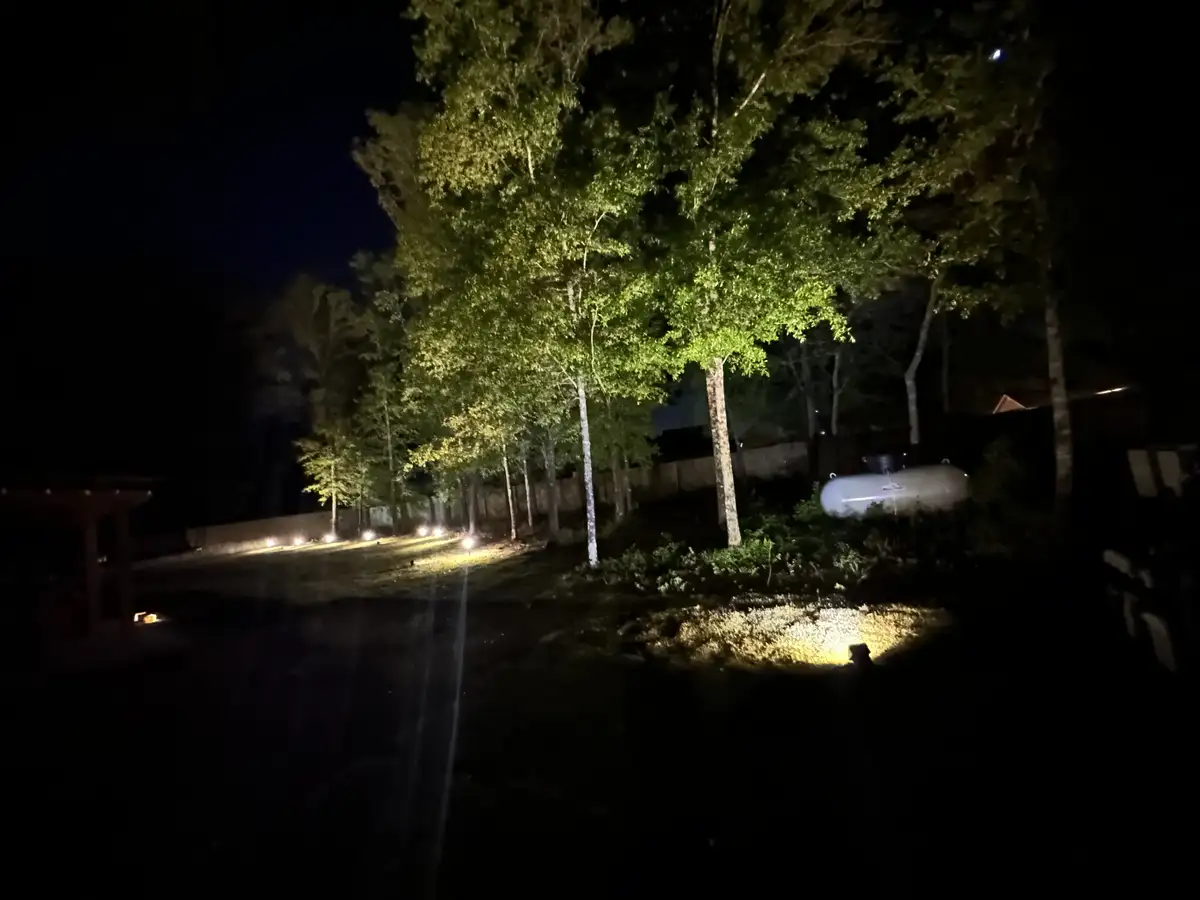
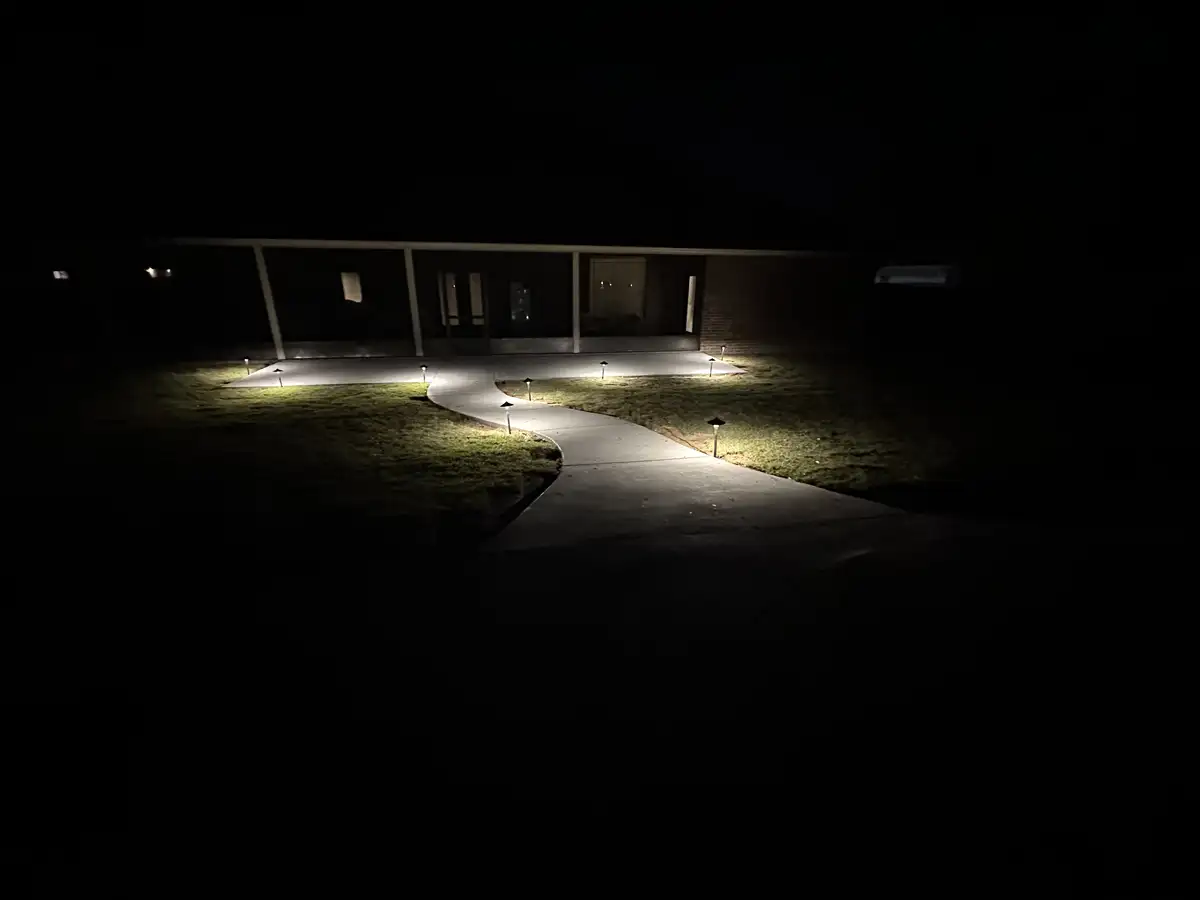
Outdoor lighting should make the yard easier to navigate and more inviting without turning it into a stage. We layer practical path and task light with restrained accents so the evening view feels warm, not washed out.
The Cedar Ridge approach
Good lighting is noticed in the feeling, not the glare
Read the whole site
A few overly bright fixtures can create harsh contrast, leave steps in shadow, and make the patio less comfortable. A layered plan uses the right fixture in the right position, with attention to sightlines from the house and seating areas.
Lighting is easiest to integrate while patios, kitchens, walls, or drainage trenches are being planned. Routes can be protected, sleeves can be considered, and fixtures can align with the finished geometry instead of looking added after the fact.
Safe movement, cooking tasks, wall texture, trees, and comfortable gathering each call for a different kind of light.
Fixture placement should consider what guests see at eye level and how the yard looks from indoor rooms after dark.
Consistent, restrained light levels help materials and planting read naturally instead of flat or overly bright.
Cable routes, transformer location, controls, and service access need to remain practical as the landscape grows.
Layer the evening experience
We identify steps, paths, doors, cooking areas, seating, walls, and landscape features that matter after sunset.
Task, path, and accent lighting are balanced around use, sightlines, fixture location, and the wider hardscape plan.
Fixtures and routes are installed to support the space while staying visually quiet during the day.
Final aiming and output are reviewed in the finished setting so important areas are lit without unnecessary glare.
Fixture count is not the whole system
Landscape lighting cost is shaped by fixture count and type, cable routes, transformer and control needs, access, existing hardscape, and whether lighting is part of a larger build. A free estimate can compare an essential first layer with a more complete plan. Financing is available for qualifying projects, including coordinated outdoor-living work.
Prepare the surfaces light will serve
Paths, patio borders, cooking counters, wall faces, and planting each call for a distinct lighting role and a serviceable cable route.
Comfort after sunset
Often, yes. Existing surfaces, planting, power location, cable routes, and the places that need light will shape the installation approach.
Usually less than people expect. The goal is useful layers and comfortable contrast, not equal brightness across the entire yard.
Integrated fixtures may be an option when wall and step systems are planned together. Placement should support safe movement without shining directly into people’s eyes.
Yes. A phased plan can prioritize circulation first while considering capacity and routes for future fixtures.
Start with the whole yard in view
Walk us through the steps, paths, cooking areas, and views that matter at night. Your free estimate will focus on useful layers and restrained brightness.